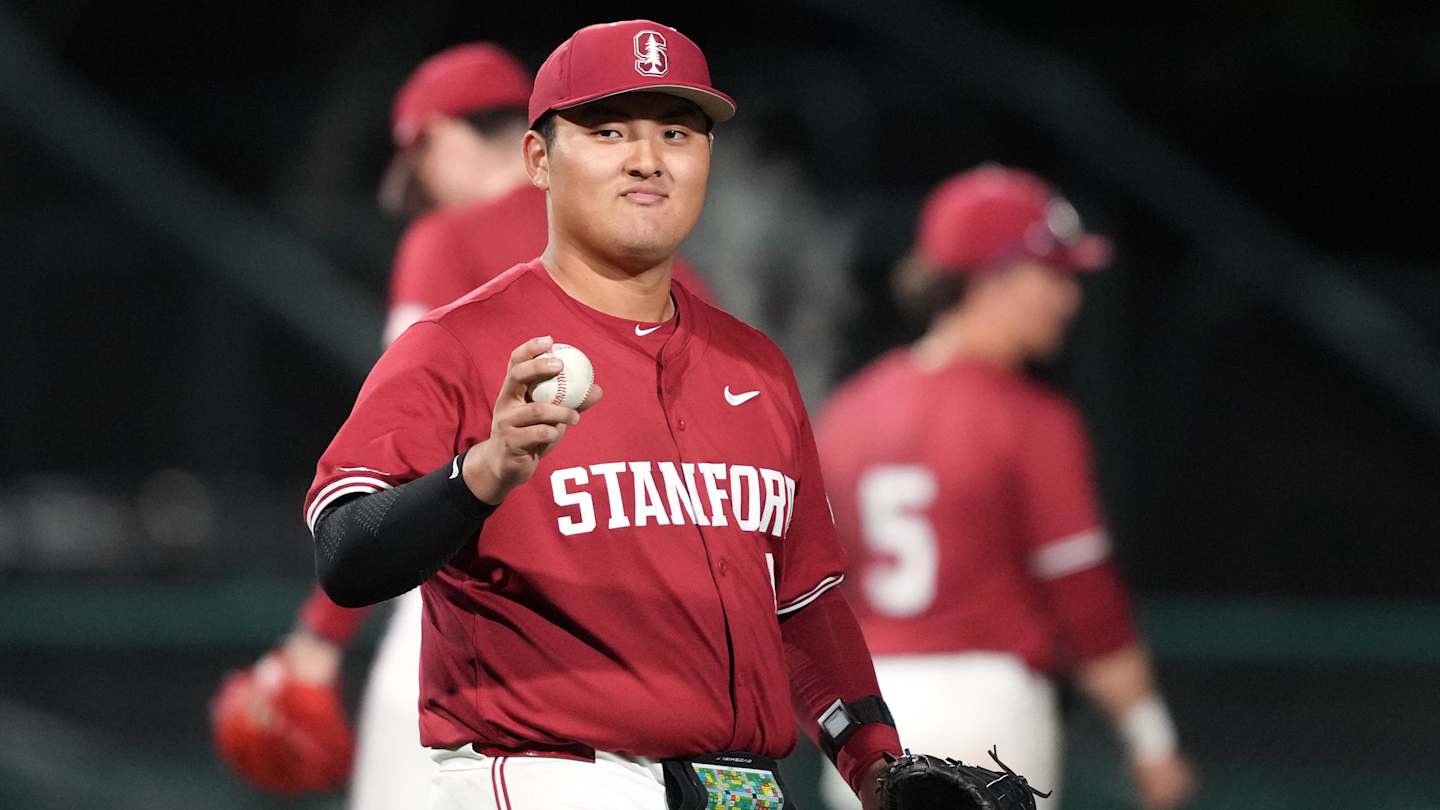
A Rollercoaster Start: Decoding Stanford Baseball's Eventful Opening Weekend in 2026
The opening weekend of the 2026 college baseball season proved to be a compelling spectacle for fans of
Stanford Baseball, offering a tantalizing glimpse into the potential of this year's Cardinal squad. Facing a gauntlet of formidable opponents, Stanford navigated a dynamic four-game stretch, concluding with an even 2-2 record. While the mixed results painted a picture of early season challenges, the underlying narrative was one of resilience, unexpected standout performances, and a team that demonstrably belongs on the national stage.
From a thrilling ranked victory over No. 24 Arizona to kick off the season, to a dominant showing against Nebraska, the Cardinal showcased their ability to secure crucial wins. Yet, their two narrow, one-run losses to highly-ranked No. 12 Oregon State and a determined Michigan squad underscored both their competitiveness and the fine margins separating victory from defeat at this elite level. This early litmus test revealed a
Stanford Baseball team rich with intriguing depth on the mound, a blend of youthful exuberance and veteran savvy at the plate, and an undeniable fighting spirit.
Pitching Prowess and Persistent Puzzles: Analyzing the Mound Efforts
The diamond is often won on the mound, and for
Stanford Baseball, the opening weekend presented a fascinating dichotomy in its pitching staff.
Starting Rotation: Room for Growth and Unleashing Potential
Coming into the 2026 season, the starting rotation was an area of keen interest, with Nick Dugan and Aidan Keenan confirmed to take the mound, later joined by Parker Warner and Brock Ketelson. While all four had their moments, the overall performance of the starting unit highlighted areas needing significant refinement. The rotation concluded the first weekend with a collective ERA of 7.02, with no starter extending beyond 4 1/3 innings of work (provided by Keenan). This lack of length forced early reliance on the bullpen, an unsustainable model for a championship run.
However, amidst these challenges, sophomore Parker Warner delivered a promising outing against the tough Oregon State program. Going four innings, Warner conceded only two unearned runs, walked one, and impressively struck out five. His performance stands as a blueprint for the consistency and efficiency the Cardinal will require from their starters. For Stanford to truly contend for a spot in Omaha, developing greater depth, stamina, and effectiveness from its rotation will be paramount. This means focusing on pitch economy, refining secondary pitches, and ensuring starters can consistently navigate five or six innings deep into games.
Relief Aces Emerge: The Bullpen's Unsung Heroics
In stark contrast to the starting struggles, the
Stanford Baseball bullpen proved to be an absolute revelation. Time and again, Cardinal relievers stepped up to limit damage, stifle opposition rallies, and keep their team within striking distance. Whether it was Mike Erspamer masterfully securing a save over two crucial innings on Friday, Toran O’Harran valiantly keeping Stanford in the game on Sunday, or Cohen Gomez earning the decisive win on Monday, the relief corps took a massive collective step forward.
This robust bullpen is a critical asset for any college baseball team. Their ability to "stop the bleeding" and provide late-game stability allows the offense to find its rhythm and mount comebacks. Such a strong relief staff offers head coach David Esquer strategic flexibility, knowing he can trust his relievers to lock down games, even if a starter has an off day. This depth in the bullpen is often the difference-maker in tight contests and arduous conference schedules.
The New Guard and the Unsung Hero: Key Batting Standouts
While pitching often dominates discussions, a potent offense is equally vital, and
Stanford Baseball saw several bats ignite over the opening weekend, signaling exciting prospects for the season ahead.
Sophomores Seizing the Spotlight: A Glimpse into the Future
The future of
Stanford Baseball looks bright, particularly with the impressive emergence of several sophomores who quickly established themselves as key contributors. Beyond Parker Warner's strong pitching outing, fielders Tatum Marsh, Rintaro Sasaki, and Charlie Bates showcased their burgeoning talents.
Charlie Bates, in particular, was an early standout from this promising trio. He posted an exceptional .412 batting average, going 7-for-17 with a double, demonstrating both consistency and power at the plate. His ability to get on base and drive in runs will be crucial for the Cardinal offense. Rintaro Sasaki also made an immediate impact, delivering a huge opening night performance that played a significant role in propelling Stanford to their victory against Arizona. These sophomore contributions are not just feel-good stories; they are a vital sign of the program's developmental strength and hint at sustained success for years to come.
JJ Moran: Stanford's Unexpected Offensive Catalyst
Perhaps the most compelling story from the opening weekend was the breakout performance of JJ Moran. Coming into the 2026 season, Moran was viewed as an intriguing prospect, having played only 14 games and starting five during his freshman year in 2025. Few anticipated the seismic impact he would have. Yet, Moran quickly became
Stanford Baseball's unsung hero and arguably their most outstanding player through the first four games.
Moran's stat line speaks for itself: an incredible .438 batting average, tied for the team lead with seven hits, five runs scored, two doubles, and five RBIs. He displayed a mature approach at the plate, hitting for average and driving in runs when it mattered most. His unexpected offensive surge provides the Cardinal with an additional layer of firepower, elevating an already promising lineup. If Moran can maintain this level of performance, he could undoubtedly shift the offensive dynamics for
Stanford Baseball throughout 2026. For more detailed insights into the early stars, check out
JJ Moran and Sophomores Shine: Stanford Baseball's Early Standouts.
Stanford Baseball's Path to Omaha: Are They Close?
The ultimate aspiration for any collegiate baseball program is a trip to the College World Series in Omaha, and the early returns suggest that
Stanford Baseball is tantalizingly close to reaching that pinnacle once again. With a 2-2 record featuring a ranked win, a victory over a power conference champion, and two one-run losses to top-tier programs, the Cardinal have proven their ability to compete with the nation's best.
This competitive showing suggests that Stanford might be just a few small tweaks away from not only being a better team but potentially playing for a spot in Omaha later in the season. These "tweaks" likely involve more consistent and extended outings from the starting rotation, improved execution in high-leverage offensive situations, and continued development of defensive consistency. The program's storied history, including two NCAA national championships in 1987 and 1988 under legendary coach Mark Marquess, and its home at the historic Klein Field at Sunken Diamond, underscores a legacy of excellence that fuels these aspirations. The current roster, with its blend of experienced leaders and burgeoning young talent, possesses the raw ingredients for a deep postseason run. To delve deeper into Stanford's CWS prospects, read
Stanford Baseball: Are the Cardinal Close to an Omaha-Worthy Season?
Conclusion
The 2026 opening weekend for
Stanford Baseball was nothing short of eventful, laying a foundation of both promise and areas for strategic improvement. While the starting pitching seeks greater consistency and length, the bullpen has emerged as a formidable strength. Offensively, the unexpected heroics of JJ Moran combined with the significant contributions from key sophomores like Charlie Bates and Rintaro Sasaki have ignited the lineup, creating an exciting dynamic. These early games against stiff competition have demonstrated the Cardinal's resilience and their capacity to contend with top-ranked teams. As the season progresses, focusing on refining their starting rotation, leveraging their potent relief staff, and continuing to nurture their standout bats will be key to transforming early potential into a truly memorable and Omaha-worthy campaign for
Stanford Baseball.